Daniel Vila most likely refers to blank" rel="noopener noreferrer">Daniel Eduardo Vila, the Argentine media and energy entrepreneur born in Mendoza on June 1, 1953. He is best known as the co-founder (alongside José Luis Manzano) of Grupo América, one of Argentina's largest multimedia conglomerates, and as a key player in the 2020 acquisition of Edenor, Argentina's biggest electricity distributor. There is no single verified net-worth figure published for him, but based on publicly documented transactions, equity stakes, and business footprint, a realistic current estimate (as of mid-2026) falls in the range of USD 400 million to USD 700 million, with the midpoint sitting closer to USD 500 million. That range carries meaningful uncertainty, and this article explains exactly why.
Daniel Vila Net Worth: Estimate Range, Method, and Updates


First, which Daniel Vila are we talking about?
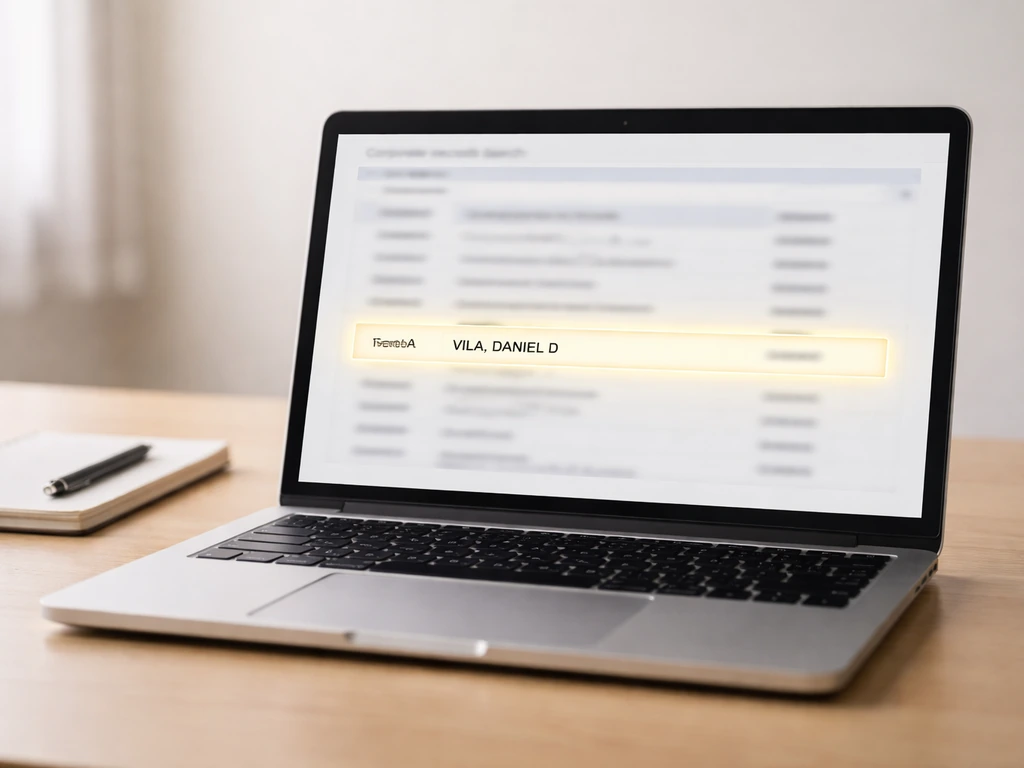
The name Daniel Vila is not unique. Florida corporate records (Sunbiz) show a 'VILA, DANIEL D' connected to a limited partnership, and there are almost certainly other individuals sharing the name across Latin America. But when this search term spikes in Argentina-adjacent media and on Spanish-language sites, it consistently points to blank" rel="noopener noreferrer">Daniel Eduardo Vila of Mendoza, the lawyer-turned-media-mogul. If you landed here looking for someone else, the business profile below will quickly tell you that. The person this article covers owns roughly 46% of Grupo América (which controls América TV, A24, Radio La Red, Diario UNO, La Capital de Rosario, and more), and his consortium bought 51% of Edenor for USD 100 million in late 2020. That combination of media holdings and regulated energy infrastructure is the core of any serious net-worth estimate for him. If you are specifically looking for the latest published figure behind daniel esquivel net worth, you can apply the same transaction-based approach to his background and holdings to see whether any credible estimates exist.
The current net worth estimate and realistic range
No credible outlet has published a verified, audited net-worth figure for Daniel Vila. He is a private individual operating through holding companies, not a publicly traded person whose wealth can be read off a stock ticker. That said, the publicly documented data points are substantial enough to build a grounded estimate. The most defensible range today is USD 400 million to USD 700 million, with the caveat that Argentine peso volatility, corporate debt levels, and undisclosed cross-holdings could push the real number meaningfully in either direction.
The lower bound of the range reflects a conservative valuation of his media equity and energy stake after applying a liquidity discount (private-company shares are worth less than equivalent public-market equity because they are harder to sell). The upper bound assumes stronger valuations for Grupo América's media assets, full credit for the Edenor position at or above book, and inclusion of real estate and other investments that are not publicly documented but are plausible given a 40-plus year business career. A 'central case' estimate of roughly USD 500 million is the most defensible single number, but treat it as an informed approximation, not a precise figure.
How this estimate is calculated
Net worth is assets minus liabilities. For a private holding-company owner like Vila, the process involves three steps: identifying what he owns, estimating what each stake is worth, and subtracting known or inferred debt. None of those steps can be done perfectly from public data alone, but here is how the best available information is used.
Step 1: Map the equity stakes

The most reliable ownership figure available is that Daniel Eduardo Vila holds approximately 46% of Grupo América, with José Luis Manzano holding another 46%, DMRT holding 7%, and G Uno 1%. This split has been reported in Argentine media, though it may not reflect recent restructuring. For the Edenor deal, Vila and Manzano led a consortium (also including Mauricio Filiberti's Transclor) that acquired 51% of Edenor's shares from Pampa Energía. The contract was executed on December 28, 2020. The consortium paid USD 100 million for that 51% stake (with approximately USD 95 million in cash at closing and a financed component). Vila's personal share within the consortium is not publicly disclosed, but his leadership role and the deal structure suggest a significant individual stake.
Step 2: Value the stakes using comparable transactions
Grupo América has no publicly traded shares, so its value has to be inferred. Two useful reference points exist. First, the Supercanal cable and internet business (a Grupo América asset) was sold in approximately July 2018 for around USD 180 million. That transaction gives a floor-level signal for how one major asset within the group was priced. Second, regional media group transactions in Latin America have historically traded at 6 to 10 times EBITDA for diversified broadcast and print portfolios. Applying even a conservative 6x multiple to an estimated annual operating profit for a group of América TV's scale implies a total enterprise value well above USD 300 million for the media holdings alone. Vila's 46% slice of that would put his media equity in the USD 130 to USD 200 million range, before adding the energy position.
Step 3: Add other assets and subtract liabilities

Beyond the two headline assets, Vila's presidency of Sportivo Independiente Rivadavia (a sports club) and his described role as president of Diario La Capital de Rosario suggest additional business involvements. Real estate holdings in Mendoza and Buenos Aires are plausible but not documented in public sources. Liabilities are the biggest unknown: acquisition financing for the Edenor deal could mean significant corporate debt at the holding-company level. Estimates that ignore leverage will overstate net worth; estimates that assume heavy debt will understate it.
Income breakdown: where the money comes from
Vila's wealth is not a salary story. It is an equity and cash-flow story built over four decades. The main income streams are:
- Dividends and distributions from Grupo América / UNO Medios: This is the primary ongoing income source. The group's media businesses (América TV, A24, Radio La Red, Diario UNO, La Capital, and regional outlets) generate advertising and subscription revenue. Exact figures are not publicly disclosed, but a multimedia group of this size in Argentina would typically generate tens of millions of dollars in annual revenue.
- Capital gains from asset sales: The Supercanal sale (~USD 180 million in 2018) is the most concrete example. At 46% ownership, Vila's share of proceeds from that single transaction would have been in the range of USD 80 million before taxes, deal costs, and any debt repayment at the holding level.
- Energy-sector returns from Edenor: Post-2020, Vila's consortium controls 51% of Edenor, which serves millions of customers in greater Buenos Aires. Edenor is a publicly listed company (NYSE: EDN), so its financials are disclosed. Dividend flow and equity appreciation from this stake add meaningfully to annual income, though subject to Argentina's tariff regulation and macro risk.
- Legal/advisory income (historical): Vila trained and practiced as a lawyer before pivoting full-time to business. Early-career legal income was almost certainly a minor fraction of his eventual wealth but helped finance initial media investments.
- Potential real estate and private investments: Undisclosed but plausible given his wealth level and Argentina's long tradition of high-net-worth individuals holding property as a dollar-hedge asset.
Assets and major holdings: what's public vs. inferred
| Asset | Ownership / Stake | Valuation Basis | Confidence Level |
|---|---|---|---|
| Grupo América / UNO Medios (media conglomerate) | ~46% | Comparable M&A multiples; Supercanal sale reference | Medium |
| Edenor stake (51% consortium, December 2020) | Consortium leader; personal % undisclosed | USD 100m deal value for 51%; NYSE-listed equity | Medium-High (deal is public) |
| Diario La Capital de Rosario | President / owner role | No disclosed valuation | Low (role confirmed, value unclear) |
| Sportivo Independiente Rivadavia (sports club) | President | Minimal financial value; reputational asset | Low |
| Real estate (Mendoza, Buenos Aires) | Presumed personal holdings | Not publicly documented | Inferred only |
| Other private investments | Unknown | Not publicly documented | Inferred only |
The most verifiable part of the asset picture is the Edenor transaction. Edenor's own investor disclosures, a Chamber of Deputies PDF referencing the deal, and multiple mainstream Argentine outlets (La Nación, TN, El Cronista) all confirm the USD 100 million price for 51%, with approximately USD 95 million paid in cash at closing. The Grupo América media portfolio is real and well-documented through Media Ownership Monitor (MOM-GMR), UCA journalism research, and Wikipedia-level public records, but its precise dollar valuation requires inference. Media Ownership Monitor (MOM-GMR) profile on the Vila family provides ownership-structure context, including Daniel Vila’s role as head of the holding. Everything else on the list is either low-value or unconfirmed.
Net worth over time: career milestones that shaped wealth
Vila's financial trajectory tracks closely with his media and energy deal-making. Here are the milestones that matter most for understanding how his wealth built up:
- 1983: Acquires Radio Nihuil in Mendoza. This is the founding move, made while Vila was still a practicing lawyer. The investment was relatively small in dollar terms but established the template for his media expansion.
- 1993: Founds Diario UNO. Adding a daily newspaper to a radio station signals the shift from single-asset operator to multimedia entrepreneur. From this point, the Grupo Vila/UNO brand begins accumulating assets.
- Late 1990s to 2000s: Partners with José Luis Manzano and builds out what becomes Grupo América, adding TV channels (América TV), cable (Supercanal), and additional print outlets. This is the wealth-compounding phase, though legal disputes and Argentina's 2001 economic crisis created significant headwinds and valuation risk.
- 2018: Supercanal is sold for approximately USD 180 million. This liquidity event is the single largest identifiable wealth crystallization moment in Vila's public record. At ~46% ownership, his share of proceeds would have been substantial.
- December 2020: Consortium led by Vila and Manzano acquires 51% of Edenor from Pampa Energía for USD 100 million. This is both a major capital outlay and a significant diversification into regulated infrastructure outside of media.
- 2021 to present: The combined media and energy portfolio continues operating. Argentina's macro volatility (inflation, exchange rate controls, tariff disputes) introduces ongoing uncertainty about the peso-denominated value of assets, even as USD-denominated deal values remain anchored.
If you were to track Vila's net worth in USD terms, the trajectory probably looked like: modest (sub-USD 10 million) in the mid-1980s, growing to USD 50 to USD 100 million range through the 1990s, suffering a setback during Argentina's 2001 crisis, then recovering and accelerating through the 2010s as media consolidation created value, peaking around the 2018 Supercanal sale, and settling into the current USD 400 to USD 700 million range reflecting both the media portfolio and the Edenor position. If you are trying to estimate the george esquivel net worth style of figure for a private media-and-energy owner, you will typically rely on disclosed deal prices and ownership splits rather than a single verified number net worth in USD terms.
Why the number varies across sources (and what that tells you)
If you have seen different figures for Daniel Vila's net worth elsewhere, here is why those numbers differ. First, private-company valuations are genuinely uncertain. There is no stock price for Grupo América; every analyst or estimator has to pick a multiple, and the difference between 6x and 10x EBITDA can swing the result by hundreds of millions of dollars. Second, Argentina's chronic currency situation means that a peso-denominated asset base can look very different depending on whether you use the official exchange rate or the parallel 'blue dollar' rate. Third, most celebrity-style net-worth aggregator sites that rank high in search results (including certain AI-generated estimator pages) explicitly disclaim accuracy and use algorithmic guesses rather than transaction-level data. Treat those figures as entertainment, not research. Fourth, corporate structure complexity, including family holding vehicles, cross-holdings between entities, and off-balance-sheet obligations, means the 'real' net worth accessible to Vila personally could differ significantly from a straight-line calculation of enterprise value times ownership percentage.
How to validate this estimate yourself
The most credible validation strategy is to anchor on the public-record transactions and work outward from there. Here are the practical steps:
- Check Edenor's SEC/NYSE filings: Edenor (ticker EDN) is a public company. Its annual reports, press releases, and investor presentations confirm the Vila-Manzano consortium's 51% stake and provide ongoing financial data (revenue, profit, dividends) that feeds into the value of that position.
- Read the Edenor sale contract disclosures: Multiple Argentine sources have published the USD 100 million deal mechanics. The Argentine Chamber of Deputies also produced a document referencing the transaction. Cross-referencing these gives you the floor value of the consortium's acquisition price.
- Use Media Ownership Monitor (MOM-GMR): This independent media ownership database maps which companies and holding structures are linked to Vila's family and holding entities. It does not give you a valuation, but it confirms the scope of the media portfolio.
- Search Argentine business registry records: AFIP (Argentina's tax authority) and IGJ (business registry) filings sometimes disclose corporate structures and, in some cases, share capital information for Argentine companies. These are publicly accessible, though navigating them requires some Spanish-language research.
- Watch for new deals, lawsuits, or regulatory events: The two biggest risks to the current estimate are (a) adverse regulatory changes to Edenor's tariff structure, which would reduce the value of that stake, and (b) any major legal or political dispute (Vila has historically faced legal challenges related to his media businesses) that imposes costs or forces asset sales.
Sites that just list a single clean number for Vila's net worth without explaining their methodology should be treated skeptically. The honest answer is a range with acknowledged uncertainty, which is exactly what the transaction record supports. Anyone researching similar Argentine business figures, including individuals like Daniel Vasella (a Swiss pharma executive whose net worth methodology differs entirely given his corporate context) or looking at Argentine media-adjacent profiles, will find the same challenge: private holding structures do not yield precise numbers from public data alone. If you are looking for Daniel Vasella net worth, it is typically discussed using a different approach because his wealth is tied to Swiss pharma corporate holdings rather than the Argentine private stakes covered here.
The bottom line is that Daniel Eduardo Vila is one of Argentina's more significant private-sector media and infrastructure owners, with a credibly documented deal footprint pointing to a net worth in the USD 400 to 700 million range. The figure is not precise, but it is grounded in real transactions, not algorithmic guesses. The Supercanal sale, the Edenor acquisition, and the 46% stake in Grupo América are the three pillars of any serious estimate, and they are all verifiable through public sources.
FAQ
Why do some websites list a much higher or much lower daniel vila net worth than USD 400 to 700 million?
Most discrepancies come from using a single assumed valuation multiple for Grupo América (for example 6x versus 10x EBITDA), ignoring the lack of audited private-company financials, and converting peso-denominated values at different exchange rates (official versus parallel “blue” rates). Some sites also mix up different people named Daniel Vila, which can inflate or deflate the result.
Can you estimate daniel vila net worth in Argentine pesos instead of USD, and which exchange rate should be used?
You can, but it will produce different answers depending on the rate. For comparisons to deals priced in USD, use the USD-linked valuation path (effectively anchoring to the deal currency). If you convert his entire asset base to pesos, you should run both official and blue-rate scenarios, then show a range rather than a single converted number.
How much does leverage or corporate debt change the net worth calculation?
For private holding structures, debt can meaningfully swing net worth because the purchase of the Edenor stake involved cash and financed components. If the holding companies carrying the equity also hold acquisition debt or guarantees, then net worth (assets minus liabilities) could be substantially lower than enterprise-value-based estimates that do not subtract leverage.
Does the Edenor purchase price (USD 100 million for 51%) automatically mean Vila has USD worth that same amount?
No. The consortium price is not the same as Vila’s personal value. His exact individual percentage within the consortium is not publicly disclosed, and consortium financing details (cash at closing versus financed portion) affect how much of the stake represents paid equity versus debt-backed exposure.
What valuation method is most defensible for Grupo América if there is no stock price?
A transaction-anchored approach is typically most defensible: start with a real sale of a comparable Grupo América asset (like the Supercanal sale signal), then use a reasonable EBITDA multiple range for similar media portfolios, apply a liquidity discount for private stakes, and finally adjust for debt at the holding-company level.
Could cross-holdings or family entities mean daniel vila net worth is different from his 46% equity figure?
Yes. Public ownership percentages may not reflect ultimate economic ownership due to holding vehicles, family entities, or cross-holdings between related companies. In practice, the enterprise-level stake can overstate or understate what is actually controlled by Vila personally after accounting for other investors and obligations inside the structure.
Is daniel vila net worth the same as his liquid cash available today?
Not necessarily. Private-company equity is often illiquid, and some value may be trapped in operating businesses or controlled through holding structures. Even if the estimated net worth range is hundreds of millions, the accessible cash could be far lower unless there have been dividends, sales, or refinancing that convert equity value into liquidity.
How should I interpret the “midpoint” estimate if I want the most likely number?
Treat the midpoint (around USD 500 million in the article’s range) as a central-case approximation, not a precise figure. A good next step is to recompute the range using your own assumptions for the EBITDA multiple, liquidity discount, and debt subtraction, then compare whether your “central case” still falls near the same area.
If I am searching for the wrong person, how can I avoid confusing Daniel Vila with others?
Check biographical markers before trusting any net-worth figure: Daniel Eduardo Vila is an Argentine media and energy entrepreneur linked to Grupo América and the Edenor consortium. If a source lacks these specific links or uses different career details, it may be referring to another individual with the same name.
Estimate George Esquivel net worth with identity checks, income signals, and a transparent calculation method.

Daniel Esquivel net worth estimate, range, likely income sources, calculation method, and how to verify signals.

Daniel Vogelbach net worth 2026 estimate with sources, contract-based breakdown, and how deals and incentives change wea